Many factors play into this, including the size of the project and the type of product being installed. An average house has 10-25 windows of all shapes, sizes, and compositions, and a large window replacement job may take 2-5 days. Most door installations, on the other hand, can be completed same-day. Give us a call to discuss the specifics of your project and get a more accurate timeline.

Call Our Crown Point Office
For a Free Estimate 219-323-3680
Can You Install Siding and Windows in Winter in Northwest Indiana?
Budget Flexibility
Whatever your budget or style of home, we have the perfect product for you!
Free Estimates!
Contact Us!
Yes, and the industry standard says so. ASTM D4756, the standard practice for installing rigid PVC siding, does not set a minimum temperature. What it does instead is tell the installer how to adjust below 40°F. The question worth asking a contractor is not whether they will work in winter — it is whether they know what changes when they do.
Here is what actually changes, so you can judge the answer you get.
Siding below 40 degrees: the gap doubles
Vinyl moves. A 12′ 6″ panel can expand and contract half an inch or more across the year. It is hung, not fixed, so it can slide as it moves — and the gap left at corner posts, channels and openings is what gives it somewhere to go.
Installed in the cold, the siding is already contracted, so it needs more room to grow into. Both the industry standard and CertainTeed’s own installation guide give the same figures:
- At 40°F and above: leave a 1/4″ gap at corner posts, channels and openings.
- Below 40°F: leave 3/8″.
- On longer panels those go to 3/8″ and 1/2″. Vertical siding is 3/16″ top and 3/8″ bottom in warm weather, 1/4″ and 1/2″ in cold.
- Panel overlap changes too — 1 1/4″ warm, 1″ cold on standard lengths.
This is the part that goes wrong. Siding hung in January at summer clearances has nowhere to expand in July, and it buckles. The same applies to how hard the nails are driven: the fastener head should sit about the thickness of a dime off the nailing hem, never tight, so the panel can still slide. Buckled vinyl on a house that was sided in winter is almost always this, not the cold itself.
Cutting changes as well. CertainTeed’s rule of thumb is that the lower the temperature, the slower the feed rate, and a fine-tooth blade run in reverse gives a cleaner cut in cold weather.
Windows in winter: the limit is the sealant, not the window
This surprises people. The replacement window standards — AAMA 2400 and 2410 — contain no temperature requirement at all. Neither do ProVia’s installation manuals. Both defer to whatever the sealant manufacturer says.
So the real question is what is going in the joint:
- Ordinary acrylic latex caulk is rated to about 40°F and must never be used below freezing. It is also the cheapest thing on the shelf.
- Proper exterior sealants are rated far lower. Several common window and siding sealants are rated for application down to 0°F, and architectural silicones lower still.
- Expanding foam around the frame has its own limits — some products stop at 40°F, others are rated into the teens. The can itself has to be warm even when the air is not.
- Self-adhered flashing is the weak link. It generally wants 25°F and above, a dry surface, and sometimes a primer to stick properly.
The one rule every manufacturer agrees on: the surface has to be clean, dry and free of frost, and above the dew point. A joint sealed over frost will fail, whatever the product cost.
One genuine advantage to sealing in the cold
A joint is at its widest when everything is contracted. Seal it then and it spends the rest of its life being squeezed as the building warms and grows, which is the direction sealant handles best. ASTM C1472 makes this point directly — a joint sealed in the cold months is mainly in compression afterwards, where one sealed in high summer is mainly being pulled apart.
What should make you walk away
If you are getting winter quotes, these are worth asking:
What gap are you leaving? If the answer is the same number they would give in June, that is the wrong answer.
What sealant are you using and what is it rated to? A contractor who cannot name the product is using whatever is in the van.
What happens if there is frost on the opening? The correct answer is that it gets removed before anything is sealed.
We install year round
Cold weather changes the technique, not whether the job can be done. We work through the winter across Lake and Porter Counties, and a January install done to the cold-weather figures will outlast a July install done carelessly.
Estimates are free and done at your home. Call Crown Point on 219-323-3680 or Hammond on 219-554-3048, or request an estimate online. More on our siding work and replacement windows.
Do you offer financing?
Yes, we offer financing. Click here to learn more about our financing program!
Do you provide a warranty for the work done?
Yes! Each product we use comes with a factory warranty. We also guarantee the work that we do with our lifetime installation warranty!
Can we remain in our home during window installation and siding projects?
Absolutely! We work quickly and efficiently to upgrade your home with as little disruption to you as possible. Residents often choose to stay home during the installation process if possible, to answer any potential questions, but it is not necessary.
Our Siding, Window and Roofing Services
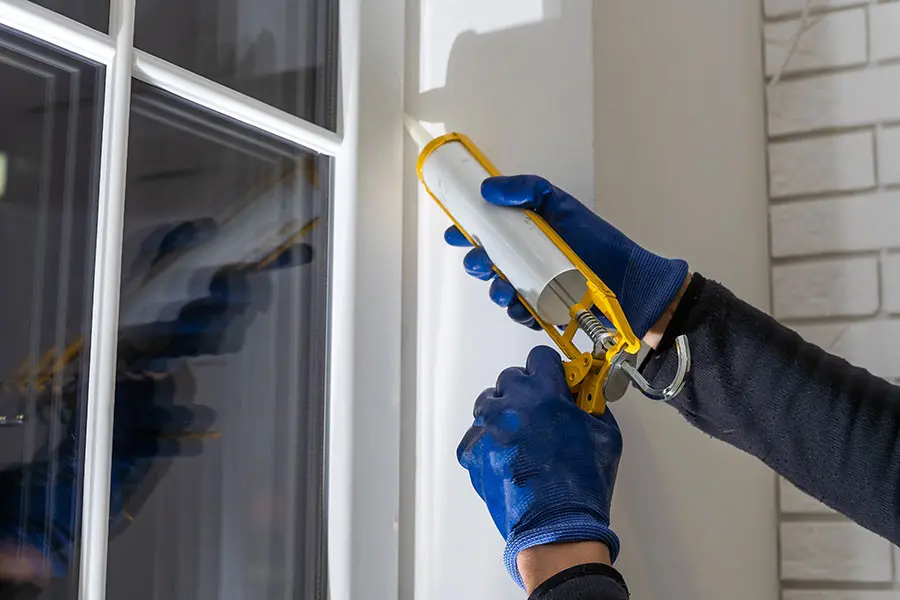
Replacement Windows
We have a wide variety of windows to fit new and existing homes. Our windows come with a full warranty to give you peace of mind at an affordable cost.
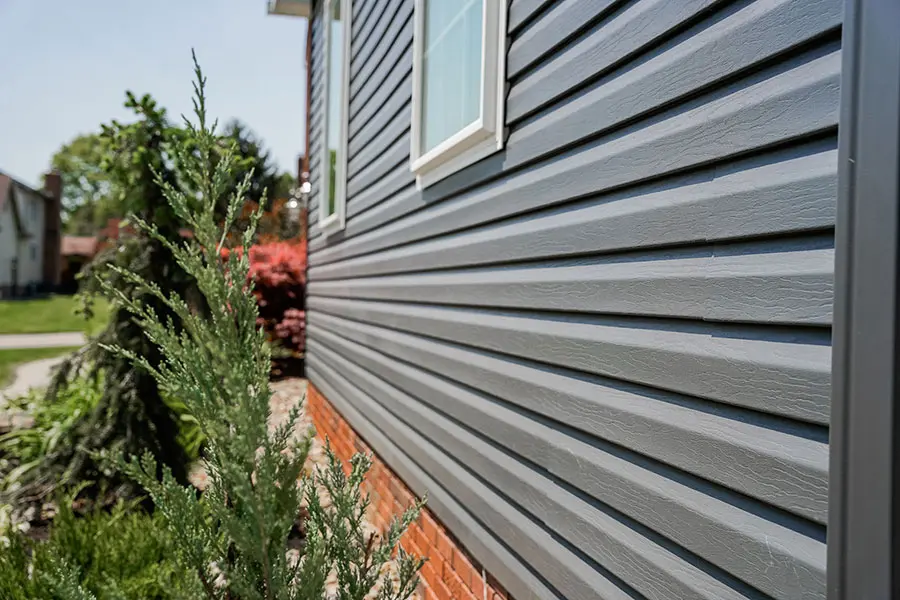
Siding
We offer a great selection of siding for all house styles. We offer composite cladding or vinyl siding for a long-term solution meant to last for many years to come.
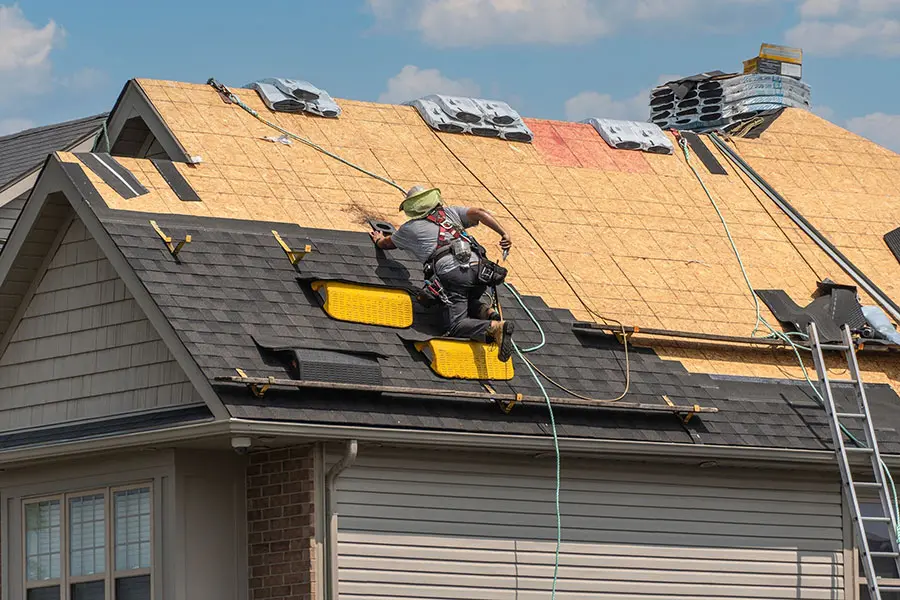
Roofing
We provide professional roofing solutions for new and existing homes. From full roof replacements to repairs, our high-quality materials and expert installation ensure long-lasting protection against the elements — all backed by a strong warranty for added peace of mind.
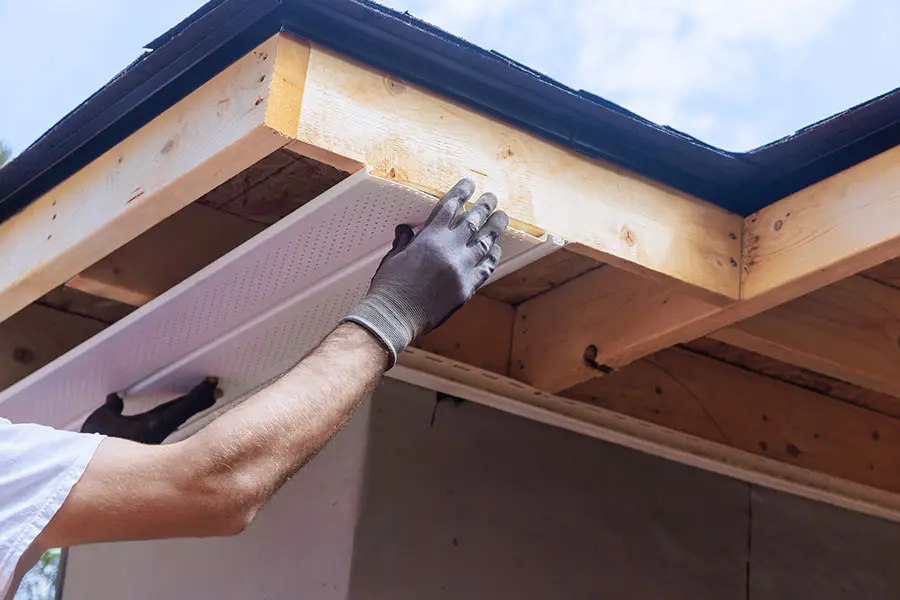
Soffit & Fascia
Soffit is the underside of a roof overhang or eave, while fascia is used to enclose a roof’s perimeter. They both help shield the roofing and interior of a home from harsh weather.
What our Customers are Saying

Request a Free Quote
We have excellent financing options available, no matter your credit score.
Give us a call or fill out our form.




Serving all communities in Lake County, Northwest Indiana including Cedar Lake, Crown Point, Dyer, East Chicago, Gary, Griffith, Hammond, Highland, Hobart, Lake Station, Lowell, Merrillville, Munster, New Chicago, Schererville, St. John, Whiting and Winfield.
The information on this website is for informational purposes only; it is deemed accurate but not guaranteed. It does not constitute professional advice. Testimonials are not a guarantee, warranty or prediction of what your experience with us will be. By providing certain contact information herein, you are expressly authorizing the recipient of this message to contact you via the methods of communication provided.
1431 East Summit St. Crown Point, IN 46307 Northwest Indiana © 2026. All Rights Reserved | Accessibility Notice | Privacy policy